
A company that achieves success and then simply rests on its laurels won’t stay on top for long. Lasting success depends on your ability to keep winning, and that often comes down to investing in Research and Development.
That’s because your competitors are always watching and improving on what you do. If you stand still, you’ll fall behind. That’s why continuous improvement is essential—and nothing drives that better than Research and Development.
But how do you decide how much to invest in your R&D budget? R&D is about pushing boundaries, and that can get expensive. When you’re exploring new territory, it’s tough to estimate costs accurately. Still, there are proven steps you can take to design an effective R&D budget. Here’s how to get started.
Set clear R&D objectives and goals

Begin by asking yourself what you want your R&D efforts to accomplish. The more specific you are, the better. For example, saying you want to be the top provider of hosted phone systems is ambitious, but it’s not a clear goal.
A more concrete objective might be to improve a specific feature of your hosted phone system—like making your contact agent less cluttered or more intuitive. This level of clarity helps you visualize the work ahead, which is crucial for R&D budget planning.
Once you’ve listed your specific objectives, rank them by priority. If having a streamlined customer history feature matters more to you than revamping supervisor-agent communications, prioritize accordingly.
When setting priorities, consider how urgent each change is and what value it will bring to your business. This will help you gauge the true impact of each potential improvement.
Analyze technology trends and your market
Take a step back and look at what’s happening in your industry. What new technologies and practices are emerging? What are your clients asking for? What are your competitors offering?
This analysis gives your R&D budget real-world context. You’ll see what’s possible and what’s in demand, which helps you focus your efforts.
Allocate budget to key R&D areas

Now that you know your objectives and their feasibility, start assigning budget amounts to each activity. Stick to your priorities and be realistic. If a project will require significant time and effort, make sure your budget reflects that.
No matter the type of research and development, budgets should have some flexibility. One project might cost less than expected, freeing up funds for another. Still, aim for accuracy by using the best information available when allocating your budget.
Plan and allocate resources
Designing an R&D budget isn’t just about the numbers. You also need to decide where your resources will come from. This affects how complex your projects will be and how long they’ll take. If you need to source resources internationally, expect longer timelines.
Resource planning directly impacts your costs, so factor these considerations into your budget.
Don’t forget, resources can include grants and other forms of federal funding. Stay informed about the support you qualify for—you pay taxes, so you deserve to benefit. Financial assistance can make projects possible that might otherwise be out of reach.
If your R&D projects focus on sustainability or other hot topics, you may be eligible for government or agency funding. It’s worth exploring these opportunities.
When identifying and integrating resources into your process, a robust ERP solution is invaluable. The right enterprise resource planning tool helps you avoid oversights by centralizing your data and ensuring resources go where they’re needed most. This keeps you organized as projects grow more complex.
Manage intellectual property and legal expenses
Intellectual property is a complex area, and the software market around it is booming.
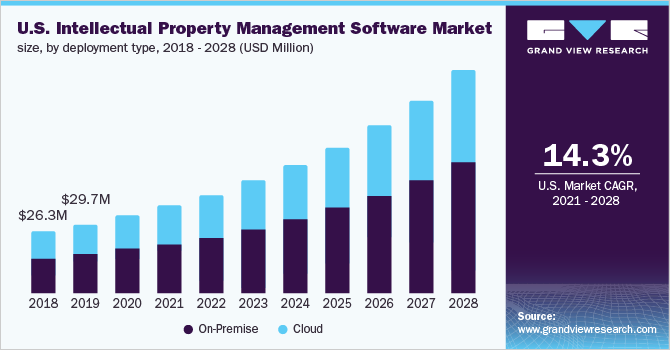
Image source: grandviewresearch.com
It’s a major business consideration you can’t afford to ignore. Costs like securing patents and legal fees must be included in your R&D budget. Otherwise, your project could stall at the first sign of a dispute.
Legal advice and representation can be expensive, but that’s nothing compared to the cost of losing a court case.
So, prepare for potential legal challenges—and do everything you can to avoid them by ensuring your business always operates ethically and within the law. Not that you’d do otherwise.
Plan for risks and contingencies
We all operate in an unpredictable world, so risk is a reality. That doesn’t mean you need to budget for every imaginable scenario. Effective risk management means identifying the most likely risks and planning how to prevent or mitigate them. Don’t get bogged down by remote possibilities.
You can’t budget for everything, and worrying about every risk will only hold you back. But you should be aware of what could realistically happen during your R&D project, and have a plan to handle it.
Once your contingency plans are in place, make sure your team knows them—so if something goes wrong, everyone knows what to do.
Collaborative budgeting and cross-functional teamwork

Some of the most successful projects bring together input from across the business. This spreads the budget and brings in diverse perspectives. Different stakeholders offer unique insights and data that can strengthen your research.
Of course, this can also lead to disagreements or coordination challenges. So, think carefully about how cross-functional collaboration will work. For example, if your UX project needs input from both designers and customer service agents, anticipate any potential issues with teamwork.
Will you need to hire outside UX designers? Will everyone speak the same language and use the same terminology? When can all stakeholders meet without disrupting their schedules?
By identifying potential problems early and planning solutions, you’ll ensure smoother collaboration.
Track your budget and evaluate performance
It’s essential to monitor spending and performance throughout your key business activities—and R&D is no exception. Costs can quickly spiral, so keep a close eye on your expenses.
Project management or ERP software is a great way to track budgets and spending, since these tools centralize your business and financial data for better project insights. You can even find specialized solutions, like manufacturing software systems and innovation management software, tailored to your needs.
For a clear picture, compare your spending to your results. If your R&D costs are on target but you’re not seeing usable outcomes, it’s time to rein in your spending. Stay in regular contact with your R&D team and review progress often.
Stay flexible and adaptable

As mentioned, your R&D budget should allow for some flexibility. Research and Development is full of unknowns—that’s just the nature of the work.
That’s why contingency funds are so important. Risks aren’t limited to dramatic events or headline-grabbing incidents. Everyday issues like supply chain delays or staff illness can also disrupt your plans.
These challenges can affect any project, so make sure your R&D budget is flexible enough to handle them.
Good budgeting is good thinking
No matter your industry or company type—from pharmaceuticals to retail—most businesses can benefit from R&D thinking now and then. It’s valuable to step back, review your offerings, and see how you can adapt to market trends and new technologies.
This approach helps you improve your products or services and drive revenue growth. The more you reflect on your activities, the more innovative solutions you’ll discover. Just remember to consider the costs and resources involved, from equipment to travel and any extra funding you’ll need.
That’s the heart of effective R&D budgeting: clearly and realistically outlining your expected development expenses. Once you’ve done that, you’re ready to reap the rewards.